

A realtor’s website is no longer just an online business card, it is the center of your digital ecosystem. It’s where buyers explore homes, sellers verify your credibility, and leads decide whether you're the agent they want to trust.
To stand out in today’s competitive market, your website must do more than look attractive. It must guide visitors, answer their questions, build trust, and naturally encourage them to contact you.
That’s the core difference between a basic website and a high-converting real estate website.
In this guide, you'll discover the essential elements required to turn casual visitors into serious clients. Each section is backed by user-behavior insights, modern design practices, and real-world examples. With a trusted development partner like Realogixs, you can turn your realtor website into a powerful digital assistant that works 24/7.
1. Start With a Trust-Building Homepage
Visitors form an opinion in under 0.05 seconds (source: Behaviour & Information Technology Journal).
That means your homepage must instantly provide clarity and connection.
Your homepage should include:
- A warm, benefit-focused headline
- A concise description of who you are
- A friendly photo and short bio
- Trust elements like testimonials and achievements
For inspiration, check out:
- Compass — clean layout, strong visuals
- Zillow Premier Agent sites — trust-focused structure
Your homepage sets the tone. Trust is your first conversion tool.
2. Clean, Simple Design Always Wins
A cluttered layout overwhelms visitors and drives them away. Clean, minimal design helps people relax and encourages them to browse deeper into your site.
Key real estate design principles;
- Simple navigation
- Clear CTAs
- Ample white space
- Consistent color palette
- Easy-to-read typography
Good design is not decoration, it is direction.
3. Property Listings That Feel Alive
Listings are often the most visited pages on a realtor website. They should be clear, engaging, and visually immersive.
Add features like:
- High-quality photography
- Concise but descriptive copy
- Quick facts (price, year built, square footage, location)
- Virtual tours using tools such as Matterport 3D Tours
- Walkthrough videos
- Easy share buttons
Look at sites like Redfin for clean, intuitive listing layouts.
A well-structured listing builds credibility and keeps users engaged longer.
4. Lead Capture Should Feel Natural, Not Pushy
People don’t mind sharing information if they receive value first.
Offer lead magnets such as:
- Free home valuation tool
- “Save this property” option
- Downloadable buyer/seller guides
- Email alerts for new listings
- Market reports
These tools turn your website into a resource, not a sales trap.
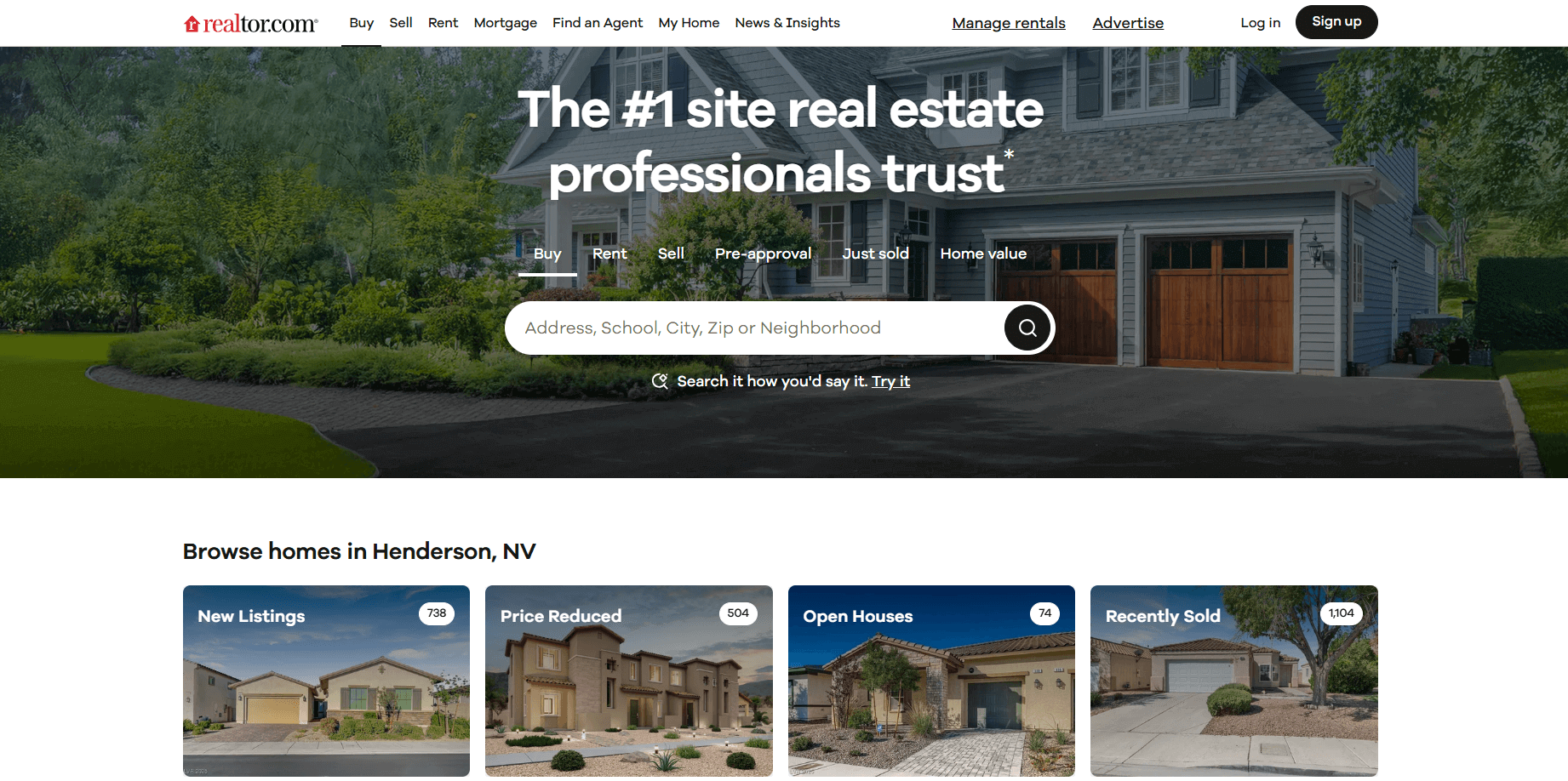
For reference, check how Realtor.comuses subtle and user-friendly lead capture prompts.
5. Mobile-Friendly Design Is Non-Negotiable
More than 60% of home searches happen on mobile.
Your website must:
- Load fast
- Display cleanly on all screen sizes
- Offer mobile-friendly forms
- Avoid pinch-zoom interactions
A mobile-first realtor website keeps visitors engaged anytime, anywhere.
6. IDX and MLS Integration Improves Engagement
Modern buyers expect up-to-date listings and accurate market details.
IDX/MLS integration allows:
- Real-time property search
- Up-to-date price and availability
- Rich map search experiences
This is where a specialist partner like Realogixs adds value. They implement IDX tools that not only improve usability but also boost SEO and lead flow.
7. Use Content to Position Yourself as the Local Expert
Great content builds trust and fuels organic traffic.
Write about:
- Neighborhood guides
- Market trends
- Buying and selling tips
- Investment insights
Regular content helps you appear as the knowledgeable expert buyers want. For example, BiggerPockets has grown massively by focusing on educational content.
8. Showcase Social Proof Everywhere
Reviews are the digital version of word-of-mouth. They carry more weight than your own claims.
Include:
- Google reviews (embed using Google Business Profile tools)
- Video testimonials
- Case studies
- Photos of clients (with permission)
Social proof reduces hesitation and accelerates trust.
9. Calls-to-Action Should Guide, Not Confuse
Your CTAs must be clear, friendly, and consistent.
Examples:
- “Book a Free Consultation”
- “Get My Home’s Value”
- “Start Your Personalized Search”
Place them:
- On the homepage
- Inside blog posts
- On listing pages
- At the bottom of every page
A good CTA gently guides visitors toward the next step.
10. Add a Chat Option for Instant Engagement
Many potential buyers have simple questions. A chat tool helps you respond instantly, even when offline.
Options include:
- Tawk.to (free)
- LiveChat
- AI-based chatbots
This small addition can significantly increase lead conversions.
11. Speed Is a Direct Conversion Factor
A slow website loses visitors, period.
Improve speed by:
- Compressing images
- Using fast hosting
- Removing unnecessary scripts
- Using a CDN like Cloudflare
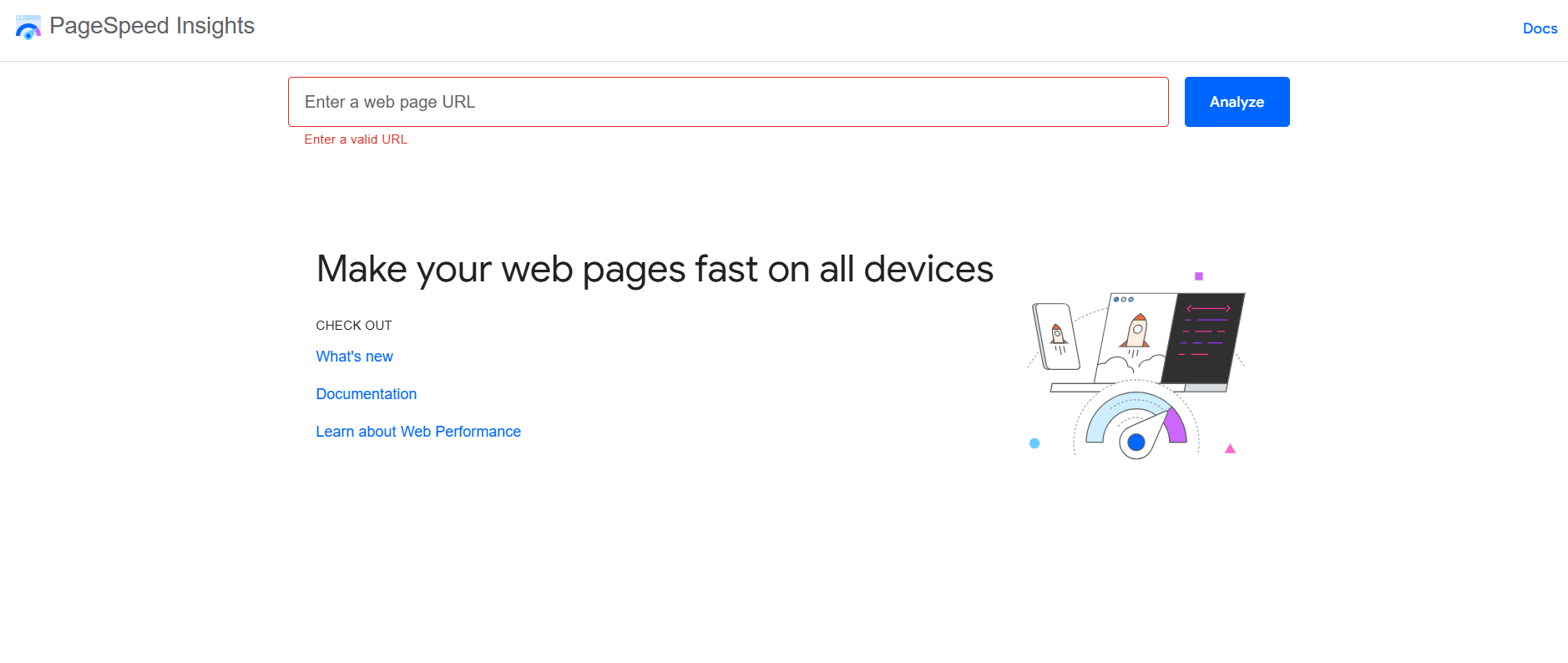
Google’s PageSpeed Insights is a great tool for checking performance.
Fast websites convert more leads because they feel more reliable.
12. Branding Creates a Memorable Experience
Branding goes beyond a logo. It includes your tone, style, imagery, colors, and consistency.
A strong brand:
- Builds recall
- Creates emotional resonance
- Encourages trust
Consistency across pages makes your site feel professional and cohesive.
13. CRM + Automation Turn Leads into Clients
Once your website collects leads, you must nurture them efficiently.
Integrate CRM tools like:
- Follow Up Boss
- HubSpot CRM
- kvCORE
- Zoho CRM
Automated sequences help you send:
- Property alerts
- Follow-up reminders
- Market updates
Automation keeps leads warm while you focus on closing deals.
14. Continuous Improvement Keeps Your Website Performing
A high-converting realtor website requires ongoing refinement.
Use tools like:
- Google Analytics
- Hotjar heatmaps
- A/B testing
Track what users like, update content regularly, and improve features as needed.
Success is continuous, not a one-time build.
Why Realogixs Is the Right Partner for Your Realtor Website
Building a conversion-focused realtor website requires expertise in UI/UX, performance optimization, IDX integrations, branding, and conversion psychology.
Realogixs specializes in real estate web development and offers:
- Beautiful, conversion-driven designs
- Fast, mobile-first websites
- IDX and MLS integration
- Lead capture tools
- Advanced CRM automations
- Branding and ongoing support
Explore their real estate solutions here: Realogixs Real Estate Web Development
If you want a website that does the heavy lifting for your business, Realogixs is the partner you can trust.
Conclusion: Your Website Can Be Your Strongest Conversion Tool
UA high-performing realtor website isn’t created by accident, it is intentionally designed with strategy, psychology, and user experience in mind.
When trust-building design, seamless tools, fast speed, and strong content come together, your website becomes a true lead generator. With the right development partner like Realogixs, you can build a digital presence that attracts, nurtures, and converts clients consistently.
Your next client may already be searching online.
Make sure your website is ready to welcome them.


CONTACT US TODAY