
In today’s digital-first world, real estate success isn’t just about expertise or local knowledge, it’s about how effectively you show up online. Prospective buyers and sellers aren’t flipping through phone books anymore. They’re browsing websites, comparing agents, and making decisions before ever picking up the phone.
This is why every forward-thinking Realtor needs an IDX website, not a basic brochure page, but a fully integrated, data-driven platform that attracts traffic, generates leads, and builds authority.
According to IDX Broker, modern real estate websites must go beyond static content and offer advanced search, real-time listings, and user-friendly experiences to stay competitive. IDX integration allows Realtors to meet buyer expectations by keeping visitors engaged on their own websites rather than losing them to third-party listing portals.
Let’s explore why Realtors need IDX, how it provides a competitive advantage, and how it can transform your online presence.
What Is an IDX Website?
IDX stands for Internet Data Exchange, a system allowing real estate agents to display live MLS listings directly on their website. With IDX integration, visitors can explore properties, apply filters, and interact with real-time real estate data, all without leaving your domain.
In simple terms, an IDX website brings MLS search functionality under your brand, creating a seamless home-search experience that keeps visitors engaged and converts them into leads.
America’s Best Marketing emphasizes that IDX-integrated websites help real estate agents capture and retain buyer attention by offering live MLS data under their own brand. By keeping property searches in-house, Realtors gain more control over lead generation and reduce reliance on external platforms.
If you want a deeper look into building high-converting real estate websites, check out our blog: How to Build a Realtor Website That Converts Leads.
1. IDX Websites Supercharge Lead Generation
Generating qualified leads is the lifeblood of any real estate business. An IDX website gives you a powerful edge because buyers expect up-to-date listings and advanced search tools. When your website delivers that, visitors stay longer, engage more, and are far more likely to share their contact info.
With IDX integration, you can:
- Capture leads with built-in forms
- Offer saved search alerts and property notifications
- Track visitor behavior and property interests
- Integrate seamlessly with your CRM for automated follow-ups
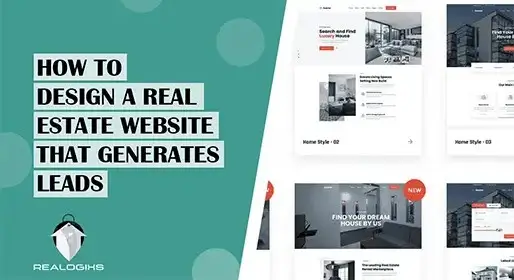
This transforms your website from a static page into a lead-generating machine. For more strategies on generating leads, see our blog: How to Design a Real Estate Website That Generates Leads.
Building a real estate website goes far beyond aesthetics, it should act as a lead generation engine, guiding visitors from curious browsers to committed clients.
This blog on designing a real estate website explains that a successful site must understand visitor intent, be mobile friendly, include strategic navigation, and showcase listings with impactful visuals and trust-building elements such as testimonials and contact forms. By integrating smart lead capture tools like CRM systems and chatbots, the website becomes a consistent source of qualified leads, not just an online brochure.
2. Keep Visitors on Your Site — Not Zillow
Property portals like Zillow and Realtor.com are crowded with competing agents. While they bring traffic, you don’t own the relationship. An IDX website keeps visitors engaged on your platform, under your brand.
Instead of redirecting potential clients to portals, IDX allows them to:
- Explore listings without leaving your website
- Save favorite properties for future visits
- Receive personalized property suggestions
When your website captures emails and search preferences, you stay top-of-mind, giving you a clear competitive advantage.
Research from the National Association of REALTORS® consistently shows that the majority of homebuyers begin their search online. This reinforces the importance of having an IDX-powered website that delivers accurate, up-to-date listings and aligns with how modern buyers research and evaluate properties.
3. Improve SEO and Attract Organic Traffic
IDX integration significantly boosts SEO because:
- Each MLS listing creates indexable pages
- Listings include local keywords (neighborhoods, cities)
- Regular updates signal fresh content to search engines
This means when buyers search for “homes for sale in California”, your IDX-powered site can rank higher. Pair this with a strong content strategy, like our guide on Why Every Real Estate Agent Needs a High-Converting Website, and you create a steady stream of organic traffic.
4. Deliver a Seamless User Experience
Modern homebuyers expect smart search filters, interactive maps, and mobile-friendly design. An IDX website ensures they get it all:
- Advanced search by price, beds, baths, neighborhoods
- Interactive map search with polygon drawing
- Mobile-optimized browsing
- Personalized property recommendations
These features increase trust and lead conversion, key components of a competitive real estate website.
Staying ahead in real estate requires embracing the latest web design trends that improve user experience and conversion rates. This blog on real estate web design trends covers minimalist layouts, advanced IDX filters for smarter property searches, AI-enhanced personalization, and mobile-first performance. Visual content like virtual tours and interactive media is now essential, while SEO and neighborhood pages help rank higher and attract qualified leads. Providing a fast, intuitive, and modern website experience is critical for engaging today’s digital buyers.
5. Own Your Leads, Not Third-Party Platforms
One of the biggest advantages of IDX is data ownership. Every lead captured on your site belongs to you, not a third-party portal.
This allows you to:
- Segment leads and personalize follow-ups
- Trigger targeted email campaigns
- Build long-term relationships and repeat business
Owning the relationship is a game-changer in real estate marketing.
6. Build Your Brand and Authority
Your IDX website is more than listings, it’s a digital storefront for your brand. You can showcase:
- Branded property listing pages
- Neighborhood and market guides
- Client testimonials
- Agent bios and achievements
This strengthens your brand authority and helps you stand out from agents relying solely on generic portal profiles. For tips on building authority, see Why Your Real Estate Business Needs a Professional Website.
7. Automate Lead Nurturing
With IDX, lead nurturing becomes seamless:
- Automatic notifications for price changes
- Property recommendations based on visitor behavior
- Follow-ups for saved searches or inquiries
Coupled with CRM integration, IDX allows you to convert leads efficiently, saving time and increasing sales.
8. Stay Competitive Today and Tomorrow
The real estate industry is evolving fast. Agents without IDX websites are losing ground to those who provide real-time data, advanced search, and an exceptional online experience.
An IDX website future-proofs your business with:
- Modern search and listing functionality
- CRM and lead automation
- Scalable growth as your business expands
Check out our blog on Top Real Estate Web Design Trends for 2025–2026 to see how design trends complement IDX features.
In today’s competitive digital market, a generic template won’t cut it, your website must serve as your primary business asset. This blog on custom websites for real estate agents highlights that homebuyers now judge agents within seconds based on their online presence. A custom site not only showcases brand authority and IDX integration but also significantly boosts conversions with mobile optimization, personalized branding, and SEO-rich content. Owning your online identity is key to driving traffic and turning visitors into long-term clients.
Why Choose Realogixs for Your IDX Website
Realogixs builds high-performance IDX websites that:
- Generate qualified leads
- Integrate MLS data seamlessly
- Are fully mobile-optimized and SEO-ready
- Strengthen your brand and online authority
Whether you’re a solo agent or part of a large team, a professional IDX website is your digital competitive advantage.
Final Thoughts
Your next client is online right now. The question is:
- Will they find your website first?
- Or end up on a crowded portal with competing agents?
An IDX website ensures you capture traffic, convert leads, and build authority, all under your brand.
Real estate is competitive, but agents embracing IDX and smart web design are the ones who win.
If you haven’t invested in an IDX website yet, now is the time. Pair it with high-converting design and SEO strategies, and watch your real estate business thrive. For more insights, read Why Every Real Estate Agent Needs a Custom Website in 2025.

CONTACT US TODAY